Your liver is one of the most hardworking organs in your body. It filters toxins, helps digestion, stores nutrients, and keeps your energy levels stable. But many people ignore liver health until problems become serious. Chronic Liver Disease is a long-term condition that slowly damages the liver over time. In Pakistan, liver problems are common due to hepatitis infections, fatty liver, and unhealthy lifestyle habits.
Understanding Chronic Liver Disease early can save your life. This guide explains symptoms, causes, prevention, and when to visit a specialist — in simple and easy language.
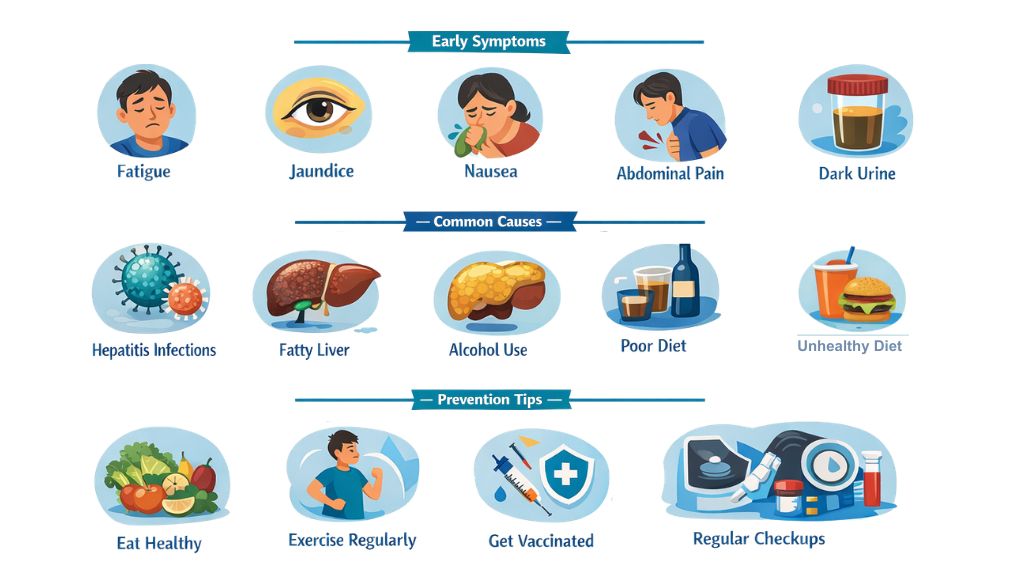
In early stages, Chronic Liver Disease may not cause strong symptoms. Many people feel normal and do not realize their liver is under stress. However, there are warning signs you should watch for.
Common liver disease symptoms include:
These signs may look small, but they can signal early Chronic Liver Disease. If detected early, treatment becomes much easier.
Doctors may use tests like blood tests or a fibroscan test to check liver stiffness and damage. This non-invasive scan helps detect Chronic Liver Disease before it becomes severe.
Understanding what causes Chronic Liver Disease is important for prevention. Some causes are very common in Pakistan.
Viral hepatitis B and C are major causes of liver damage. Many people search for پاکستان میں ہیپاٹائٹس: علامات اور علاج because awareness is increasing. These infections spread through contaminated blood, unsafe injections, or unsterilized medical tools.
Eating too much oily or sugary food leads to fat buildup in the liver. This condition is rising quickly in urban areas and is linked with diabetes and obesity.
Frequent alcohol use damages liver cells and increases risk of Chronic Liver Disease.
Using medicines without doctor advice can harm the liver. Painkillers, herbal remedies, and supplements can slowly damage liver tissue.
Conditions like Peptic Ulcer Disease or severe digestive problems sometimes require procedures such as ultrasound endoscopy, ERCP, or PEG tube placement. These treatments are safe when done by specialists, but they show how closely digestive health and liver health are connected.
The good news is many cases of Chronic Liver Disease can be prevented with simple lifestyle changes. Prevention is always easier than treatment.
Diet plays a huge role in liver health. Add:
Nutrition experts say Fiber in Digestive Health is very important because Fiber helps improve digestive health and supports liver function. Fiber also lowers fat buildup and helps remove toxins from the body.
Avoid:
Healthy eating supports liver disease prevention and reduces risk of fatty liver.
Obesity is a major risk factor for Chronic Liver Disease. Even small weight loss can improve liver health. Try:
Weight control also reduces risk of other serious diseases like colorectal cancer, diabetes, and heart disease.
Vaccines are available for hepatitis A and B. Vaccination is one of the safest and easiest ways to prevent infections that cause Chronic Liver Disease.
Never take medicines for long periods without doctor advice. Some drugs may look harmless but can damage the liver if misused. Always consult a specialist before using supplements or herbal products.
Routine health screening helps detect problems early. Doctors may recommend:
Early diagnosis greatly improves treatment success for Chronic Liver Disease.
Many people delay doctor visits because symptoms seem mild. But delaying care can allow Chronic Liver Disease to worsen.
You should consult a specialist if you notice:
These may be signs of advanced liver disease and require immediate medical attention.
Early detection is the best protection against Chronic Liver Disease. When diagnosed early, doctors can:
Modern medical technology allows accurate diagnosis using safe procedures and imaging tools. Early treatment not only saves money but also prevents serious complications like liver failure or cancer.
If you notice symptoms or want preventive screening, consulting experienced specialists is essential. The doctors at Islamabad Gastroenterology Associates provide advanced liver testing, diagnosis, and treatment using modern technology and personalized care plans.
You can also follow their updates and liver health tips here:
Facebook Page
Your liver works silently every day to keep your body healthy. But once Chronic Liver Disease develops, damage can become permanent if ignored. The best protection is awareness, healthy lifestyle choices, and timely medical care.
Remember these simple steps:
Taking action today can prevent serious health problems tomorrow.
7. Where can I get trusted liver care in Pakistan?
For expert care, you can consult Islamabad Gastroenterology Associates, which provides full evaluation, diagnosis, and treatment for liver diseases.

Copyright © 2024 Prof Muzaffar Latif Gill. All rights reserved. Powered By AKITS
