Fatty liver disease is a common health problem in which extra fat builds up inside the liver. Many people have this condition without knowing it because early fatty liver disease often causes no clear symptoms.
In Pakistan, unhealthy eating habits, lack of physical activity, obesity, and diabetes can increase the risk of fatty liver. Regular consumption of sugary drinks, large portions of food, and fried meals may also contribute.
The condition was previously known as Non-Alcoholic Fatty Liver Disease (NAFLD). It is now commonly called Metabolic Dysfunction-Associated Steatotic Liver Disease (MASLD). Understanding its causes, symptoms, and treatment can help protect your liver.
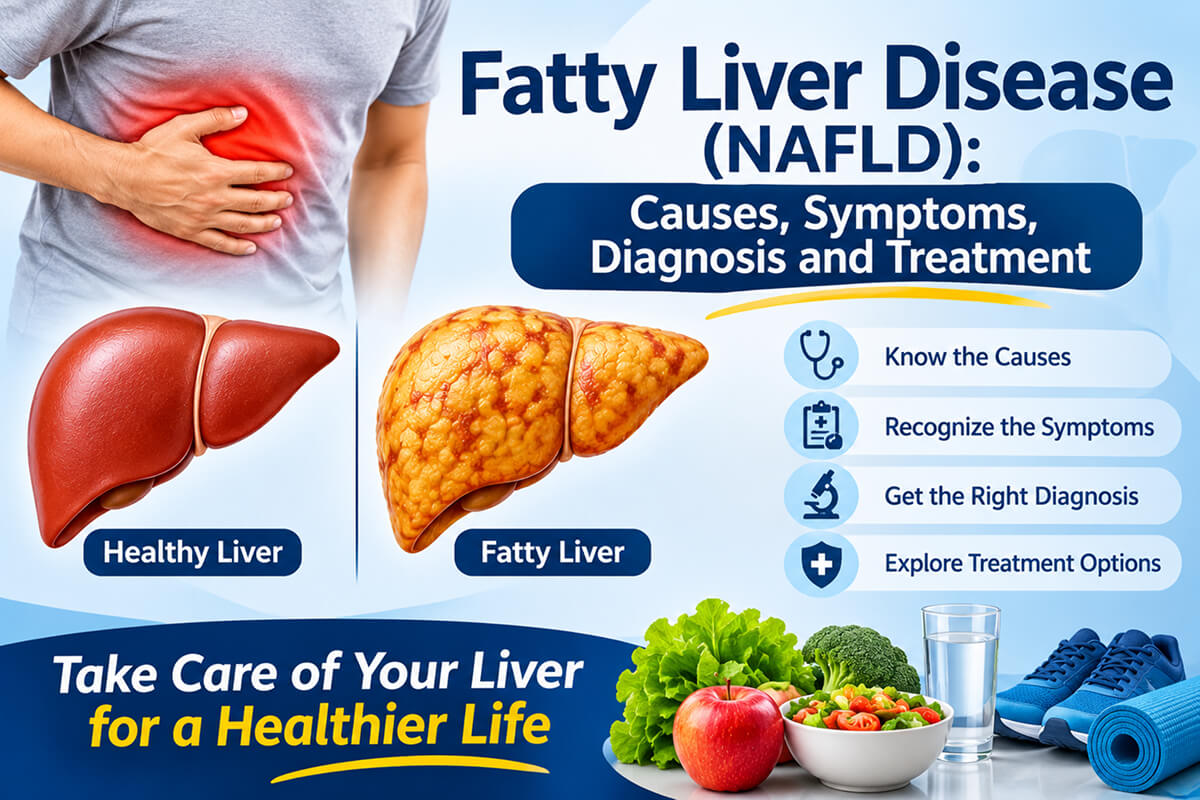
Fatty liver disease happens when too much fat collects inside liver cells. A small amount of fat in the liver is normal, but excess fat can affect how the liver works.
The liver helps digest food, process nutrients, remove harmful substances, and store energy. When fat builds up, some people may develop liver inflammation and damage.
The older term NAFLD is still commonly used by patients. However, doctors increasingly use the term MASLD when fatty liver is linked to metabolic risk factors such as obesity, diabetes, and high cholesterol.
You can learn more about liver health through the ProfGill patient education blog.
Several health and lifestyle factors can increase the risk of fatty liver disease.
Common causes and risk factors include:
Read more about metabolic syndrome and its health effects.
Many people with fatty liver disease do not experience any symptoms, especially during the early stages.
When symptoms occur, they may include:
Advanced liver disease may cause yellowing of the eyes or skin, swelling of the abdomen or legs, and other serious symptoms.
These symptoms do not always mean fatty liver disease. A doctor should assess the cause.
Fatty liver disease can develop in different stages.
Not everyone with fatty liver progresses to advanced disease. Early assessment and proper care can help reduce the risk.
Doctors use medical history, blood tests, and imaging to assess fatty liver disease.
Common tests include:
In selected cases, a liver biopsy may be needed for further evaluation.
Learn more about FibroScan for liver assessment and liver biopsy and recovery.
There is no single treatment suitable for every patient. Treatment depends on the stage of liver disease and the patient's overall health.
Lifestyle changes are an important part of managing fatty liver.
Choose more vegetables, fruits, daal, whole grains, and healthy protein sources. Control portions of roti and rice rather than eating large amounts.
Limit fried foods, bakery products, sweets, and sugary drinks such as soft drinks and packaged juices.
Walking, cycling, swimming, and other physical activities can improve metabolic health. Aim for around 150 minutes of moderate exercise each week, if your health allows.
If you are overweight, gradual weight loss can reduce liver fat. Avoid crash diets and extreme weight-loss methods.
Managing blood sugar, blood pressure, and cholesterol is important for people with fatty liver. Follow your doctor's advice about medicines and regular check-ups.
For additional guidance, read about obesity treatment and weight management in Pakistan.
Early fatty liver may not cause serious damage, but some patients develop inflammation, scarring, or cirrhosis. Regular medical assessment helps identify higher-risk patients.
In many patients, liver fat can be reduced through gradual weight loss, healthy eating, and regular exercise. Improvement depends on the stage of disease.
Limit sugary drinks, sweets, fried foods, bakery products, and highly processed foods. Focus on balanced meals and suitable portion sizes.
Most people do not experience pain. Some may feel mild discomfort in the upper right side of the abdomen.
Yes. People who are not overweight can also develop fatty liver, particularly when they have diabetes, insulin resistance, or other metabolic risk factors.
Ultrasound can help detect liver fat, while FibroScan can assess liver stiffness and estimate scarring. Your doctor will select the appropriate tests based on your condition.
If you have been diagnosed with fatty liver, have abnormal liver test results, or are concerned about your liver health, consult an experienced gastroenterologist and hepatologist.
Professor Muzaffar Latif Gill can help assess your symptoms, review your medical reports, and guide you about suitable investigations and treatment options.
Book an Online Consultation with Prof. Muzaffar Latif Gill to discuss your liver health concerns and receive professional medical guidance.
Medical Disclaimer: This article is for general information only and does not replace professional medical advice, diagnosis, or treatment.

Copyright © 2024 Prof Muzaffar Latif Gill. All rights reserved. Powered By AKITS
