Hepatitis is a condition that causes inflammation of the liver and can affect people of different ages. In Pakistan, hepatitis remains an important health concern, particularly because infections such as hepatitis B and hepatitis C can sometimes remain unnoticed for years. When hepatitis is not detected or managed properly, it may lead to serious liver problems.
The good news is that some types of viral hepatitis can be prevented through vaccination. Hepatitis vaccination is an important part of protecting individuals from hepatitis A and hepatitis B. However, many people are still unsure about which hepatitis vaccines are available, who should receive them, how many doses may be needed, and whether vaccination can protect against all types of hepatitis.
This article explains the basics of hepatitis vaccination, its benefits, who may need it, possible side effects, and other ways to reduce the risk of hepatitis. Understanding these preventive measures can help people make informed decisions about their health and protect their liver in the long term.
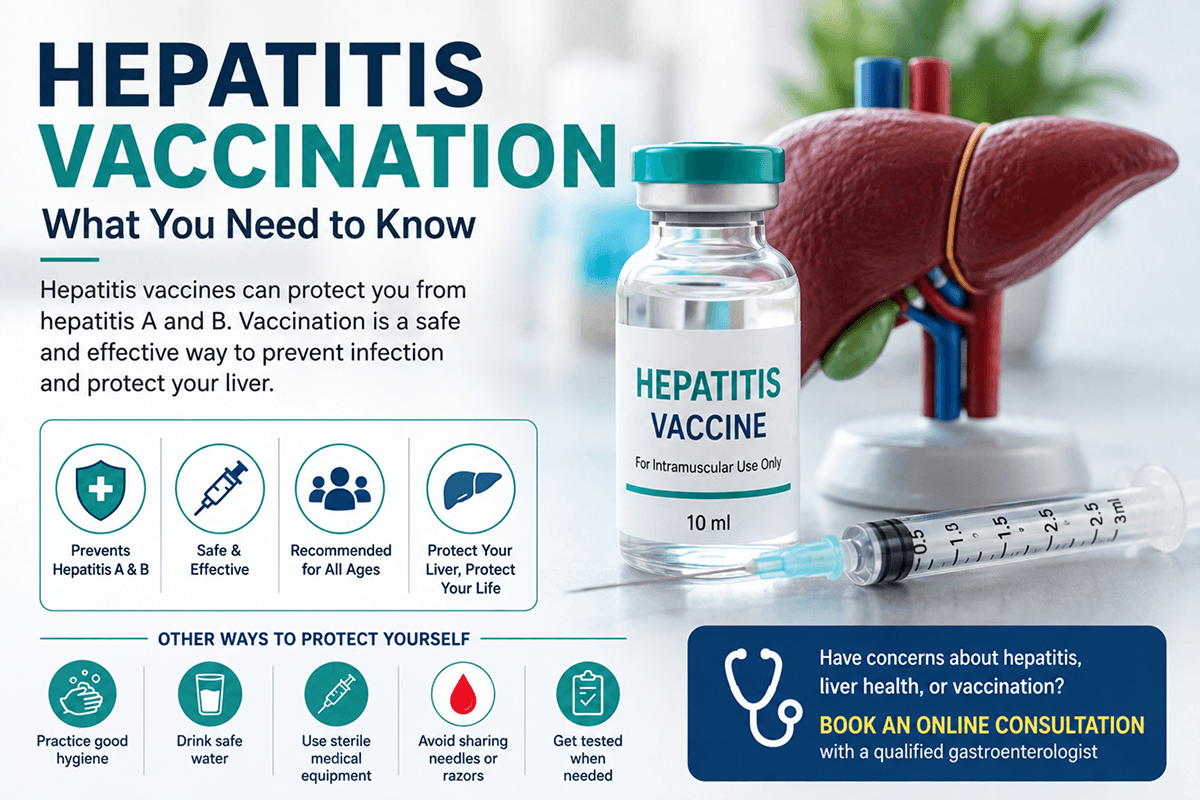
Hepatitis means inflammation of the liver. The liver plays an important role in digestion, nutrient processing, removing waste from the body, and many other essential functions.
Several viruses can cause hepatitis, including hepatitis A, B, C, D, and E. These viruses are not all spread in the same way.
Hepatitis A is commonly associated with contaminated food and water. Hepatitis B can spread through infected blood and certain body fluids, including from an infected mother to her baby during childbirth. Hepatitis C is mainly spread through contact with infected blood.
Vaccines are currently available to help prevent hepatitis A and hepatitis B. There is no approved vaccine that prevents hepatitis C, so other preventive measures are important.
The hepatitis A vaccine helps protect against hepatitis A virus infection. Hepatitis A commonly spreads when someone consumes food or water contaminated with the virus.
Good hygiene, safe drinking water, and proper food handling are also important for preventing hepatitis A.
The hepatitis B vaccine protects against hepatitis B virus infection. Hepatitis B is particularly important because it can sometimes become a chronic infection and may cause long-term liver damage.
People who are concerned about hepatitis or existing liver problems should discuss their situation with a qualified healthcare professional. A hepatitis specialist in Islamabad can help determine whether testing, vaccination, or further evaluation may be appropriate.
There is currently no vaccine for hepatitis C. Prevention mainly involves avoiding exposure to infected blood, using sterile medical equipment, and getting tested when there may have been an exposure.
The need for vaccination depends on age, health status, previous vaccination, and individual risk factors.
Hepatitis B vaccination is routinely recommended for infants and may also be recommended for adults who have not previously been vaccinated. People who may have a higher risk of exposure include healthcare workers, people exposed to infected blood, and certain household or sexual contacts of people with hepatitis B.
Hepatitis A vaccination may be recommended for specific groups based on age, travel, medical conditions, or risk of exposure.
If you are unsure about your vaccination history, speak with a healthcare provider instead of assuming that you are protected.
The hepatitis B vaccine is normally given as a series of doses. The exact schedule can depend on the person's age, health condition, previous vaccination history, and the vaccine being used.
Vaccination during infancy is an important part of hepatitis B prevention. Adults who have never received the vaccine may also be advised to receive it depending on their risk.
If you do not know whether you have received hepatitis B vaccination, a healthcare professional can review your medical history and determine whether vaccination or testing may be appropriate.
One of the main benefits of vaccination is reducing the risk of infection. Preventing hepatitis B is particularly important because chronic hepatitis B can cause serious liver complications.
Vaccination can also help reduce the spread of infection within families and communities.
However, vaccination is only one part of protecting liver health. Regular medical care, appropriate testing, safe medical practices, and healthy lifestyle choices also play an important role.
Most people tolerate hepatitis vaccines well. Some mild side effects may occur, including:
These effects are usually temporary. Serious allergic reactions are uncommon. Anyone who has experienced a severe allergic reaction to a previous vaccine should inform their healthcare provider before receiving another dose.
Hepatitis prevention is especially important in Pakistan. Vaccination, safe medical practices, proper screening, and public awareness can all help reduce the spread of viral hepatitis.
People should make sure that injections and medical procedures are performed using sterile equipment. Blood used for transfusion should also be properly screened.
Avoiding shared needles, razors, or other items that may come into contact with blood can also reduce the risk of hepatitis B and C.
People experiencing liver or digestive concerns can discuss their symptoms with a gastroenterologist in Islamabad who can recommend appropriate evaluation when needed.
No. Hepatitis vaccination does not protect against every type of hepatitis.
Vaccines are available for hepatitis A and hepatitis B. There is currently no vaccine for hepatitis C, so prevention depends on avoiding exposure to infected blood and getting appropriate testing.
Hepatitis D is closely linked to hepatitis B infection, so preventing hepatitis B can also help reduce the risk of hepatitis D.
You should consider speaking with a healthcare professional if you have possible exposure to hepatitis, are unsure about your vaccination history, or have symptoms that may be related to liver disease.
Possible warning signs can include yellowing of the skin or eyes, dark urine, unusual tiredness, abdominal discomfort, nausea, or unexplained changes in health.
Some people with viral hepatitis may have few or no symptoms, so people with relevant risk factors may need testing even when they feel healthy.
If you need professional guidance about hepatitis treatment, a qualified doctor can help determine what testing or care may be suitable for your situation.
Hepatitis vaccination is an important tool for preventing hepatitis A and hepatitis B. Understanding who should receive vaccination, following the recommended schedule, and maintaining safe health practices can help reduce the risk of infection and serious liver complications.
For hepatitis C, vaccination is not currently available, so avoiding blood exposure and getting tested when appropriate remain essential prevention steps.
By combining vaccination, awareness, regular medical care, and safe practices, people can take meaningful steps toward better long-term liver health.
Hepatitis vaccination is a preventive measure that helps protect against certain hepatitis viruses. Vaccines are available for hepatitis A and hepatitis B.
No. There is currently no vaccine for hepatitis C. Prevention focuses on avoiding exposure to infected blood and appropriate testing.
Yes. Adults who have not previously been vaccinated may receive hepatitis B vaccination, especially when they have an increased risk of exposure.
The number and timing of doses can vary depending on age, health status, vaccination history, and the vaccine used. A healthcare professional can recommend the appropriate schedule.
Hepatitis vaccines are generally well tolerated. Mild effects such as pain at the injection site, tiredness, or mild fever may occur.
Vaccination against hepatitis A and B can help prevent infections that may affect the liver. However, vaccination should be combined with other preventive measures and appropriate medical care.
Have concerns about hepatitis, liver health, or vaccination? Book an online consultation with a qualified gastroenterologist for expert guidance from the comfort of your home.

Copyright © 2024 Prof Muzaffar Latif Gill. All rights reserved. Powered By AKITS
