Have you ever felt bloated, tired, or uncomfortable after eating roti, naan, or other wheat-based foods? These symptoms can have many causes, but sometimes they may be related to a gluten-triggered digestive condition.
Celiac disease is a chronic immune and digestive disorder that can damage the small intestine after gluten is consumed. Gluten is mainly found in wheat, barley, and rye. The condition can affect digestion and nutrient absorption, so proper diagnosis and long-term management are important.
For people in Pakistan, understanding this condition is especially useful because wheat-based foods such as roti, naan, paratha, and bread are common parts of everyday meals.
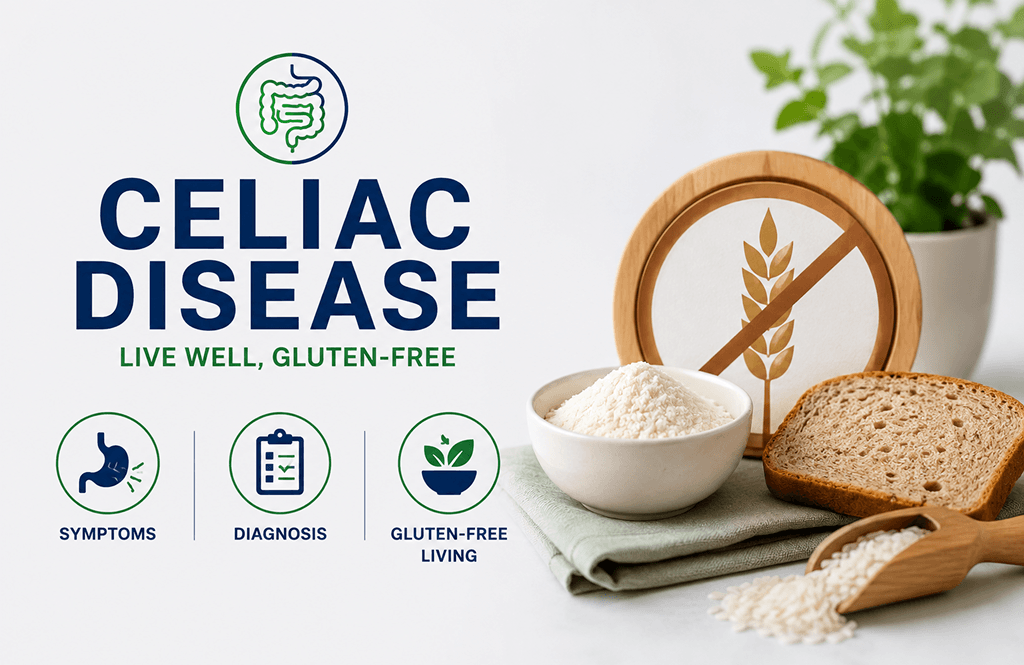
Celiac disease occurs when the immune system reacts abnormally to gluten. This reaction can damage the lining of the small intestine and interfere with the absorption of nutrients.
It is different from gluten sensitivity and wheat allergy. These conditions may cause similar symptoms, but they are not the same and may require different medical approaches.
After a confirmed diagnosis, avoiding gluten is an important part of long-term management.
Symptoms can vary from person to person. Some people have clear digestive problems, while others may experience symptoms outside the digestive system.
Possible signs include:
These symptoms can also occur with other digestive conditions. Therefore, symptoms alone cannot confirm the condition.
If you have ongoing digestive problems, speak with a healthcare professional rather than assuming gluten is the cause.
For more information about Digestive Health Symptoms Prevention Islamabad, you can explore the ProfGill patient education blog.
Children may experience digestive symptoms, but the condition can also affect growth and nutrition.
Possible signs include:
Parents should remember that these symptoms can occur with many other conditions. Children with persistent digestive symptoms or unexplained growth problems should be evaluated by a healthcare professional.
The condition develops when gluten triggers an abnormal immune response in a person who has a genetic susceptibility.
Having a close family member with celiac disease can increase the risk. However, eating gluten does not automatically mean that someone will develop this condition.
It can be diagnosed in both children and adults.
Getting an accurate diagnosis is important because symptoms can overlap with many other digestive conditions.
A doctor may review:
Blood tests are commonly used when this condition is suspected. Depending on the situation, a doctor may also recommend an upper GI endoscopy and small-intestinal biopsy.
No—not without speaking to your doctor first.
If you stop eating gluten before diagnostic testing, some test results may become less accurate.
If you think you may have this condition, speak with a healthcare professional before changing your diet.
For people with confirmed celiac disease, the main treatment is a strict gluten-free diet.
Removing gluten can help reduce symptoms and allow the small intestine to heal. People with confirmed disease generally need to maintain a gluten-free diet long term.
A doctor or dietitian can help patients build a balanced eating plan and identify possible nutritional deficiencies.
If you are experiencing chronic digestive issues, such as ongoing bloating, diarrhea, abdominal pain, or unexplained weight changes, professional evaluation can help identify the underlying cause.
A gluten-free diet means avoiding foods and ingredients containing gluten.
Common gluten-containing grains include:
This means foods such as regular bread, wheat flour, many bakery products, and traditional wheat-based roti and naan may need to be avoided after a confirmed diagnosis.
Many naturally gluten-free foods can still be enjoyed, including:
Always check packaged food labels because gluten can be present in processed products.
Following a gluten-free lifestyle can feel challenging because wheat is commonly used in Pakistani meals.
Roti, naan, paratha, biscuits, samosas, and many bakery products may contain wheat.
These practical steps can make everyday management easier.
Learn which foods contain wheat, barley, and rye. This can help you make safer food choices.
Check packaged foods carefully before buying them. Some processed products may contain gluten-containing ingredients.
Naturally gluten-free food can become unsafe if it comes into contact with gluten-containing food.
Separate utensils, cooking surfaces, and preparation methods may be needed.
Rice, potatoes, vegetables, fruits, eggs, fresh meat, and fish can be useful options for a balanced meal plan.
Tell restaurant staff that you need gluten-free food and ask about ingredients and preparation methods.
Avoiding gluten is not the only part of good long-term management.
Some people may have nutritional deficiencies because damage to the small intestine can affect nutrient absorption.
Depending on the individual, a healthcare professional may check nutrients such as:
A registered dietitian can also help create a balanced eating plan.
Celiac disease and gluten sensitivity are different conditions.
In celiac disease, gluten triggers an immune response that can damage the small intestine.
Gluten sensitivity may cause symptoms after gluten consumption but does not cause the same type of small-intestinal damage.
A wheat allergy is also different. It is an allergic reaction to wheat and may cause symptoms that are not typical of celiac disease.
For this reason, self-diagnosis is not recommended.
Consider talking with a gastroenterologist if you have ongoing:
You should also discuss testing if you have a close family member with celiac disease or persistent symptoms without a clear cause.
A Gastroenterologist in Pakistan can assess your symptoms and determine whether testing or another evaluation is appropriate.
Digestive symptoms can sometimes be caused by a temporary problem, while persistent symptoms may need more detailed evaluation.
A qualified specialist may assess problems involving the stomach, intestines, liver, gallbladder, pancreas, and other parts of the digestive system.
For people searching for Expert Gastroenterology Services, professional evaluation can help identify the right diagnostic and treatment approach instead of relying on self-diagnosis.
A diagnosis does not mean you cannot enjoy a healthy and active lifestyle.
At first, avoiding gluten may feel difficult, especially when wheat-based foods are a regular part of Pakistani meals. With education, planning, and professional guidance, however, a gluten-free lifestyle can become easier to manage.
Reading food labels, preventing cross-contact, choosing suitable foods, and following your healthcare professional's advice are important steps.
The goal is to protect the small intestine, support good nutrition, and maintain long-term health.
Celiac disease can cause symptoms such as bloating, diarrhea, abdominal pain, fatigue, weight changes, and nutritional problems. Because these symptoms can have many different causes, proper medical evaluation is important.
If you think gluten may be causing your symptoms, do not start a gluten-free diet before discussing testing with your doctor.
Once the condition is confirmed, following a strict gluten-free diet and maintaining good nutrition can help manage the condition and protect intestinal health.
For people in Pakistan, understanding gluten sources in everyday foods such as roti, naan, paratha, and bakery products can make gluten-free living easier.
Are you experiencing persistent bloating, diarrhea, abdominal pain, fatigue, unexplained weight loss, or other digestive symptoms?
Don't rely on self-diagnosis. A professional evaluation can help identify the possible cause of your symptoms and determine whether appropriate testing is needed.
Get professional guidance for digestive symptoms, testing, and long-term digestive health.
ProfGill's contact page currently provides a Book Consultation option and lists the clinic's contact information.
Celiac disease is a chronic immune and digestive disorder in which eating gluten can damage the small intestine and affect nutrient absorption.
Possible symptoms include bloating, diarrhea, constipation, abdominal pain, fatigue, weight loss, nausea, anemia, and nutritional deficiencies.
No. They are different conditions. Celiac disease can damage the small intestine, while gluten sensitivity does not cause the same intestinal damage.
Doctors may use blood tests and, when appropriate, an upper GI endoscopy with a small-intestinal biopsy.
No. Talk with your doctor first. Starting a gluten-free diet before testing can affect some diagnostic results.
The main treatment for confirmed celiac disease is a strict gluten-free diet. A doctor or dietitian can help with long-term dietary management.
Rice is naturally gluten-free and can generally be part of a gluten-free diet. Cross-contact during preparation should still be considered.
Yes. It can be diagnosed in both children and adults.
Yes. Fatigue can occur and may be related to the condition or nutritional deficiencies.
If you have persistent digestive symptoms, unexplained weight loss, fatigue, anemia, or nutritional problems, speak with a healthcare professional about whether further evaluation is needed.

Copyright © 2024 Prof Muzaffar Latif Gill. All rights reserved. Powered By AKITS
